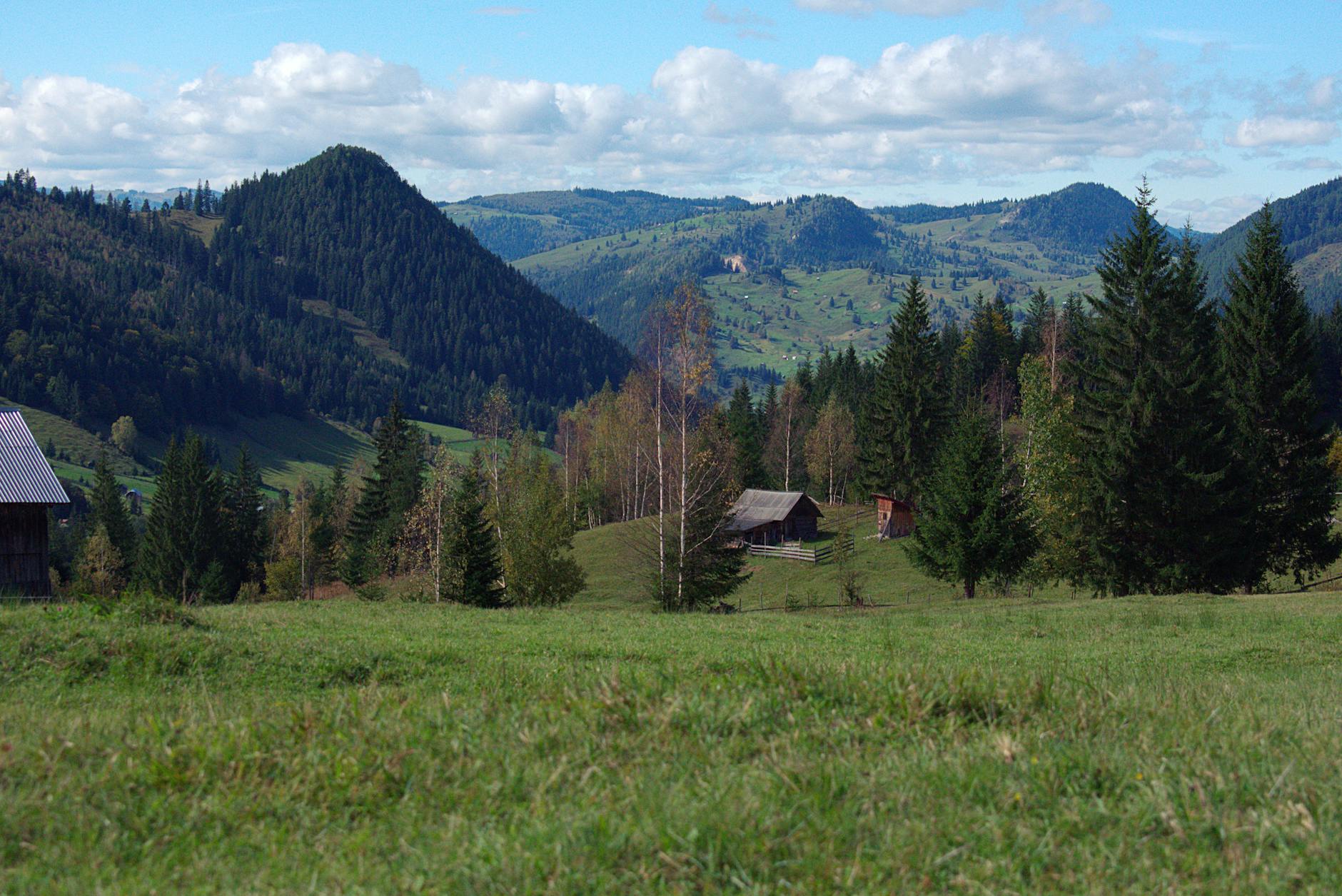
A groundbreaking research project is set to transform our understanding of biodiversity and sustainable development in the Carpathian region. The ProBioTIC (Promoting Biodiversity through Transdisciplinary Learning Interventions in the Carpathians) project brings together universities and researchers from seven countries to address critical ecological challenges.
The project focuses on the Carpathians, one of Europe’s most biodiverse regions. Unique ecosystems still thrive there, including habitats for large carnivores like bears and wolves, diverse insect populations, and rich bird life. However, there’s a crucial gap in how ecological research is communicated and understood.
ProBioTIC aims to bridge this divide by training young biodiversity experts in innovative transdisciplinary methods. The project will include two summer schools for early-career researchers and a unique semester-long module for Bachelor and Master students at universities in Lüneburg and Krakow.
A key challenge the project addresses is the disconnect between scientific research and public understanding. As project manager, Dr Daniel Fischer, Professor of Sustainable Development and General Studies, explains that young scientists often struggle to engage with policymakers and the public, leaving critical ecological insights in academic circles.
The innovative approach involves developing learning interventions that can:
- Raise awareness about biodiversity’s value
- Create understanding between scientific research and local communities
- Develop communication strategies for ecological conservation
- Generate policy recommendations for sustainable regional development
Potential intervention formats include campaigns about:
- Coexistence of humans and wildlife
- Tourism and biodiversity
- Sustainable food consumption
Rooted in the Carpathian Convention, this project represents a transformative approach to environmental education and conservation, promising to reshape how we understand and protect one of Europe’s most important ecological regions.
 Human-Environmental Systems Research Centre